A true story
Two Alerts Before Breakfast
By Allie Myerson
My grandmother has read my research on scams targeting older adults. She also knows the advice we share at Tech Talk for Seniors, the program I founded to help older adults use technology: stop, check, and ask. One recent morning, she put that advice into practice twice before breakfast.
She was browsing on her phone when a warning popped up. It claimed someone had used her Apple ID to make a $549.99 Apple Pay purchase and told her to call a number immediately to freeze her account.
It looked official, and the specific dollar amount made it feel believable. But it was also pushing her to act immediately, directing her to a phone number in the warning itself.
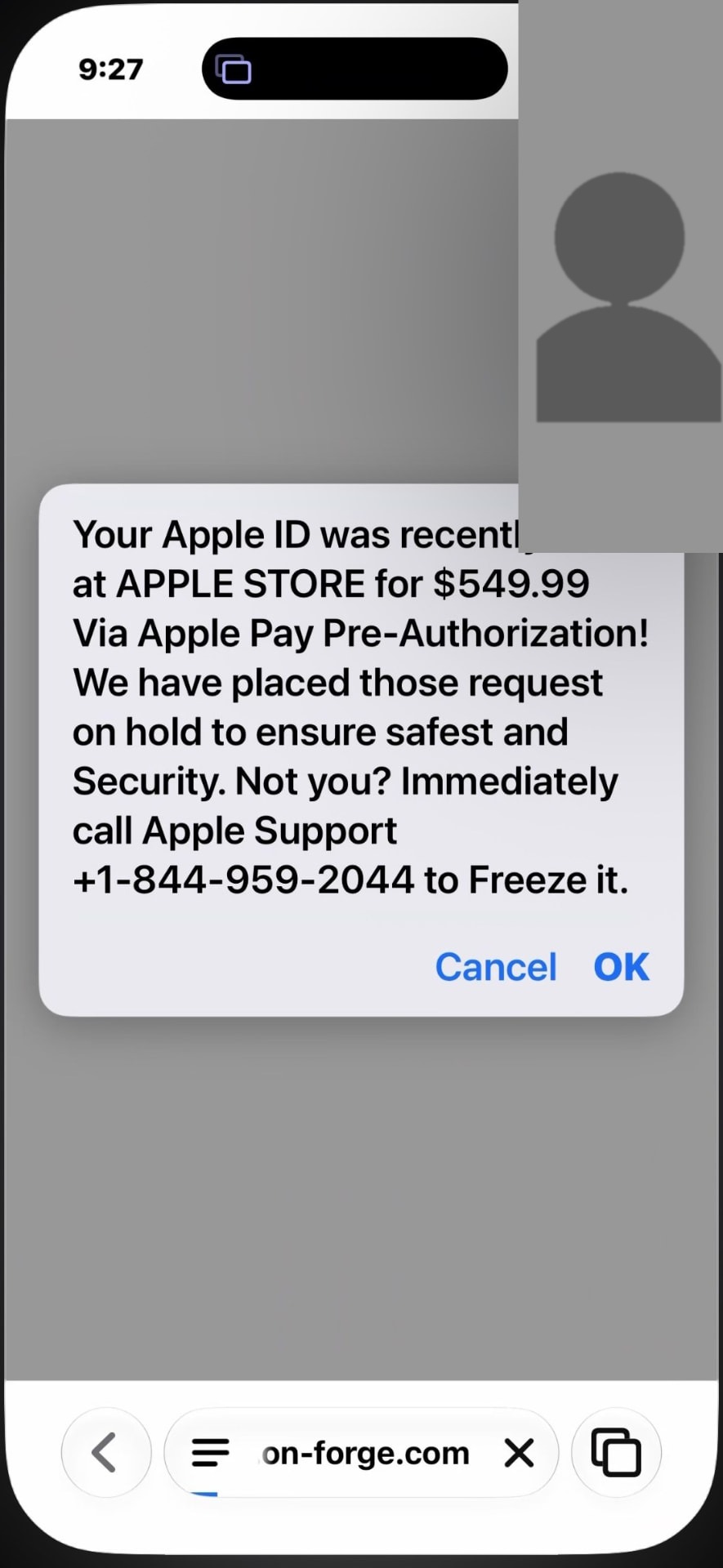
My grandmother did not know whether the charge was real. Instead of calling that number or tapping the warning, she called my father. Together, they confirmed that there was no charge and that the number did not belong to Apple.
That is the part that stayed with me. She asked for help because she was unsure. She did not need proof that something was wrong before checking with someone she trusted.
While they were still talking, another alert arrived. This one was a genuine notification from her bank about an actual charge on her card. She had previously taken an online test without realizing she was signing up for a monthly subscription. The company had been charging her each month without her knowledge.
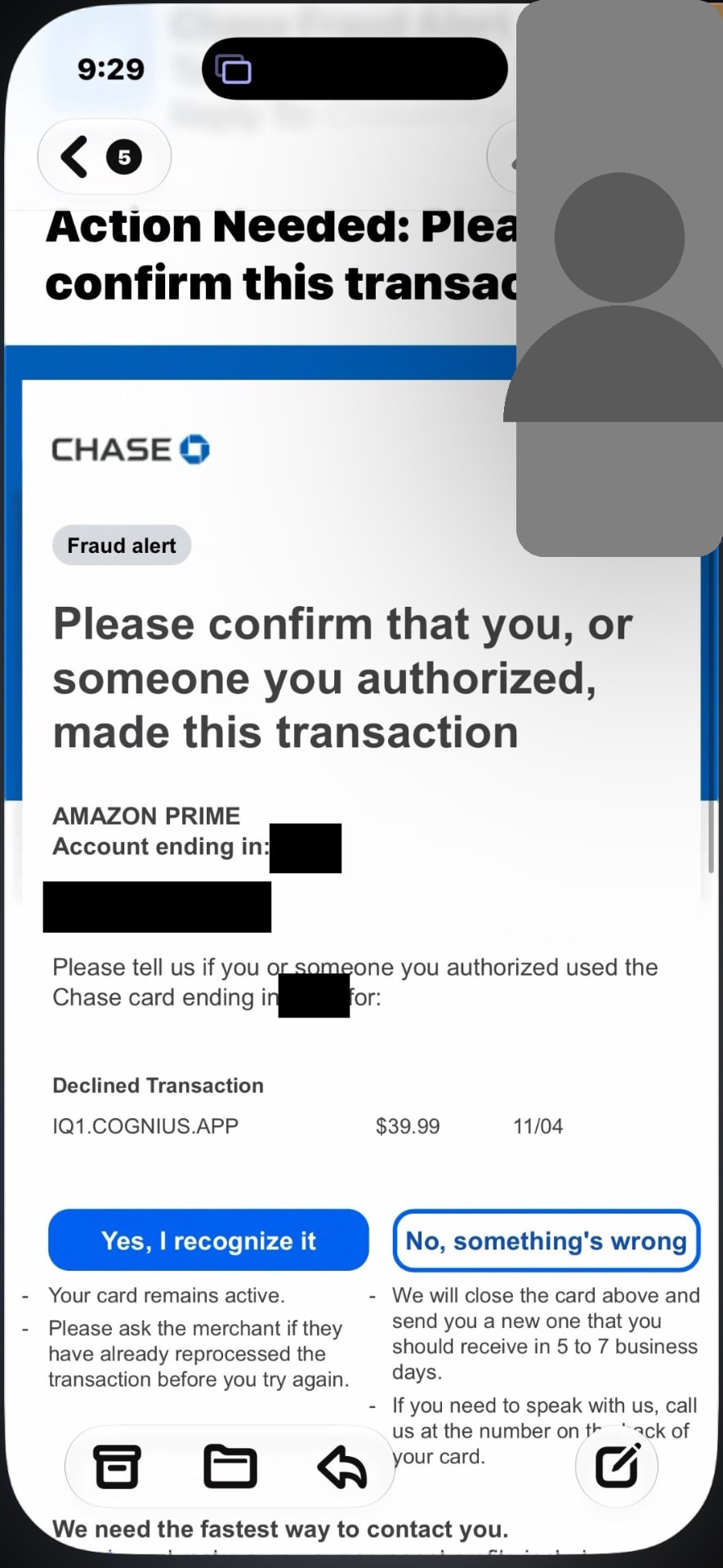
This time, there was a charge to address. My father helped her cancel the subscription and stop further charges. Pausing and checking had helped her respond to both alerts, even though they turned out to mean very different things.
My research began partly with the experience of a resident I met through Tech Talk. After being scammed, she worried about telling her children because she feared they would question her ability to manage things herself. Her story made me think about how difficult it can be to ask for help when you are afraid that doing so might cost you some of your independence.
My grandmother already knew she could call my father and they would work through it together. Her experience reminded me that telling someone to ask for help is only part of the advice. They also need to feel comfortable doing it.
That is a conversation I hope more families have before a suspicious message arrives: whom can you call, and how will that person respond? Listening patiently and working through a question together can make it easier for someone to ask the next time.
At Tech Talk, I want people to gain confidence both in using technology and in asking questions. You do not have to be certain something is a scam before asking for help. Being unsure is reason enough.
Stop. Check. Ask.