Allie’s Research
Why We Say Yes When We Doubt
Trust, Social Pressure, and Independent Judgment as AI Changes Scams
Allie Myerson
How trust, the wish to help, and pressure to act quickly shape responses to scams, and how AI makes deceptive messages more convincing.
No account is needed to read or download the paper.
If the paper doesn’t open on SSRN, you can also download it directly from here.
The story behind the paper
The scam was over. The harder part was telling her children.
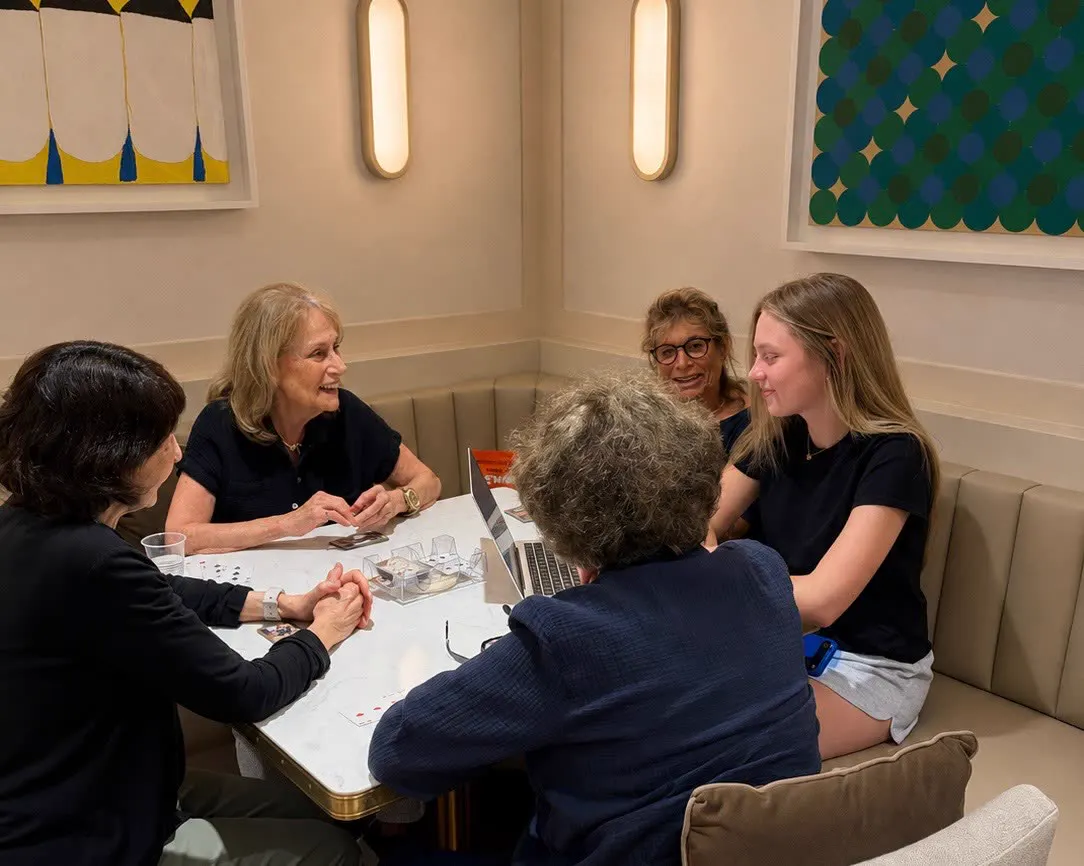
I started Tech Talk for Seniors in ninth grade, after watching my grandfather struggle with technology in his nursing home. Residents would usually bring me questions about finding a photo, sending a message, or changing a setting. One conversation went somewhere I did not expect.
A resident told me about a banking scam she had fallen for. Thankfully, after realizing what had happened, she was able to resolve it with her bank. What stayed with her was something else. She worried that telling her children would make them question her ability to live on her own.
I reassured her that younger people fall for scams, too. Later I realized I had answered the wrong worry. I was addressing her embarrassment while missing her fear of losing her independence.
That conversation left me with a question I could not put down: why can a request feel suspicious and still be difficult to refuse?
I went looking for answers in published research and in what I had seen at Tech Talk. The paper that came out of it, my first, looks at how trust, the wish to help, and the pressure to act quickly shape the way we respond to scams, and how AI makes deceptive messages more personal and convincing.
What I found changed how I think about helping someone. We do not need to be certain a request is fraudulent to give ourselves permission to step away and check it on our own. When someone we love has been scammed, the first question is not what they should have done. It is what they are afraid of losing.
Shared with the resident’s permission.
We do not need to be certain a request is fraudulent to give ourselves permission to step away and check it on our own.
If you live in a community we visit: you are allowed to hang up, stop replying, and check with someone you trust. Being unsure is reason enough.
If you are a family member: start with what they fear losing, and ask how they want you to help.
If you run a program: the four insights below fit on one page and can be shared with residents and staff.
Key insights
Scams are not only an older person’s problem.
Relative to their numbers, adults aged 18 to 59 report losing money to fraud more often than older adults, though older adults who lose money report higher median losses. Feeling confident you can spot fraud is not the same as being safe.
Doubt is not the same as saying no.
People can sense that something is wrong and still feel responsible for helping, cooperating, or acting quickly.
You do not need to spot AI, or prove a caller is lying, before you check.
AI can make a message feel personal, but accurate details about you do not make a request genuine. Hang up or stop replying, then contact the bank or relative through a number you already have.
If someone you love has been scammed, start with what they fear losing.
It may not be embarrassment. It may be independence. Afterward, people need to know what to do next, not only what they could have done differently.
The phrases and steps the paper proposes have not yet been tested for effectiveness.
Put it into practice
These ideas shape our Stop. Check. Ask. safety guide.
Read our safety tips →Share your story
Have you or someone close to you faced a suspicious request that was difficult to refuse? Without sharing names or private details, what made it convincing, and what helped you decide how to respond?
Tell us your story →Please don’t include passwords or account numbers. Your experience could inspire future research ideas. Allie will reach out to discuss your story before using it in research.
If this is happening now, stop and contact your bank or a trusted person first.
Cite this paper
Myerson, A. (2026). Why we say yes when we doubt: Trust, social pressure, and independent judgment as AI changes scams. SSRN. https://ssrn.com/abstract=7611958
This work is licensed under a Creative Commons Attribution 4.0 International License (CC BY 4.0).